Shifting to a new home marks an exciting new chapter but the transition period often feels overwhelming. This comprehensive guide transforms the daunting moving process into manageable steps ensuring your relocation happens smoothly with minimal stress.

Start Planning Early for a Smooth Transition
The key to a smooth and stress free shifting process lies in starting your preparations early. It’s best to begin planning your move at least two months before the actual date. Create a detailed timeline that breaks down tasks into weekly goals. The first phase should focus on research comparing shifting companies gathering packing supplies and beginning the DE cluttering process. As your moving date approaches shift to packing non-essential items and confirming arrangements this staggered approach prevents last minute chaos and allows time to handle unexpected challenges. Remember to measure doorways in your new home research parking regulations for moving trucks and arrange time off work for moving day.
Complete Your Change of Address Checklist Thoroughly
While most remember to forward their mail numerous important address updates often get overlooked during the shifting process. Beyond the postal service notification create a comprehensive list of all organizations needing your new address. Immediate updates should include your driver’s license vehicle registration bank accounts and employer HR department. Secondary but equally important updates include magazine subscriptions online shopping accounts and professional memberships. Some updates require phone calls or in person visits rather than simple online changes so allocate dedicated time for this task. Think about arranging mail forwarding for a minimum of six months to ensure you receive any overlooked correspondence.
DE clutter Strategically Before Packing Begins
Relocating offers an ideal chance to simplify your possessions. Before packing anything conduct a thorough DE cluttering of your entire home using a systematic room by room approach. Be honest about what items you truly need and use regularly. Consider the layout and storage space in your new home will all your current furniture fit. This purging process not only reduces what you’ll need to pack but can significantly lower shifting costs if you’re paying by weight or volume. For valuable unwanted items consider hosting a garage sale 4-6 weeks before shifting or using online marketplaces.
Implement Efficient Packing Strategies
Effective packing goes far beyond simply putting items in boxes. Develop a strategic approach that considers both the packing and future unpacking processes. Begin with items you use least frequently such as decorative pieces books and off season clothing. Invest in high quality packing materials to protect your belongings paying special attention to proper padding for fragile items. Create a detailed labeling system that includes both the room destination and general contents description. Pack an essentials box containing items you’ll need immediately at your new home including medications, important documents basic cleaning supplies and a change of clothes. This extra effort during packing will pay dividends when it’s time to unpack.
Selecting the Right Professional shifting
Choosing a reputable shifting company can make the difference between a smooth relocation and a moving nightmare. Professional movers bring expertise and efficiency that’s worth the investment especially for long distance moves or when handling valuable possessions.

Key Considerations When Hiring Movers
Start your search at least 6-8 weeks before your move date particularly during peak shifting seasons May-September. Get quotes from at least three different companies ensuring they conduct in home or video surveys for accurate estimates. Verify their USDOT number for interstate moves and check state licensing for local shifting. Ask about their insurance options basic released value protection versus full value protection and understand exactly what’s covered.
Red Flags to Watch For
Be wary of companies that:
- Demand large cash deposits upfront
- Don’t provide written estimates
- Have no physical address or use rented trucks
- Can’t provide references
- Give estimates significantly lower than competitors
Preparing for Moving Day
Once you’ve selected your movers:
- Confirm all details in writing 1 week before
- Prepare an inventory list of high value items
- Disassemble furniture the day before
- Designate a must move area for priority items
During the Move
On moving day:
- Be present during loading/unloading
- Keep children/pets in a safe area
- Do a final walkthrough with crew chief
- Note any damage on the bill of lading
- Get a copy of all signed documents
Professional movers can handle 90% of the physical work, but proper preparation on your part ensures everything goes smoothly. The right company will treat your belongings with care stick to agreed timelines and provide clear communication throughout the process for more visit.
Execute a Comprehensive Moving Day Plan
Your shifting day will proceed much smoother with a well prepared checklist of final tasks. Begin the day early to accommodate any last minute packing or cleaning. Complete a final walkthrough of your old home, checking all rooms closets and storage areas for forgotten items. If using professional movers supervise the loading process and confirm delivery details. Prepare your essential supplies kit containing items you’ll need immediately at your new home. This should include basic tools cleaning supplies snacks phone chargers and a first aid kit. Before departing take meter readings turn off appliances and lock all windows and doors.
Approach Unpacking Methodically
The unpacking process deserves as much attention as packing. Resist the temptation to open boxes randomly. Instead prioritize setting up functional spaces first your bedroom bathroom and kitchen. This allows you to live comfortably while taking your time with less essential areas. As you unpack take the opportunity to reorganize your belongings rather than simply recreating your old setup. Keep a box handy for items you realize you don’t need after all. Complete important home setup tasks like changing locks locating the circuit breaker and water shut off and testing smoke detectors. Remember that settling into a new home takes time allow yourself weeks to fully arrange your space as you discover how you actually use it.
Final Thoughts on Your Successful Move
A successful relocation involves thorough preparation alongside adaptability. Although obstacles may come up staying organized and keeping a broader view will assist you in managing the transition effectively. Keep in mind that this journey goes beyond shifting your belongings it’s a chance to begin anew and design a living space that genuinely enhances your way of life. With these detailed strategies you’re prepared to approach your move with assurance and reduced anxiety or visit website.
How to Pack Fragile Items to Prevent Damage
Protect the Fragile when shifting Packing fragile items is one of the most difficult tasks when it comes to shifting. Delicate things like glassware, dishes, electronics, photographs and collections can be easily broken or crushed if you’re not careful in packing them. In order to avoid any damage and anxiety on your part that would be quite unnecessary, do take care with packing methods and material used. Then in these respects then, and these respects only, may we give our thorough thanks unto yourself.
Initially, start by gathering quality packing supplies. Use sturdy cardboard boxes (some companies recommend double walled), bubble wrap, packing paper, foam sheets or peanuts, strong packing tape, and markers for labeling. Avoid newspaper, which can transfer onto your items. It’s a no brainer to spend attentions on packing materials if you want them to arrive in one piece during the move.
Wrap each fragile object independently. First place a sheet of packing paper around it to prevent any rubbing and then bubble wrap provides an extra buffer against impact from outside forces that might come unexpectedly. Finally, use tape to secure the wrapping so it won’t come off. When it comes to oddly shaped or particularly delicate items, don’t skimp on the padding! Pad all sides and corners with foam or crumpled paper Place items into boxes in such a way that they fit snuggly.
Do not leave large spaces or gaps around the item. Fill any gaps with peanuts, fabric, or additional paper to secure objects within the parcel for its journey even if you ‘never’ intend using them When things are loose in a box, they rattle. If the rattling goes on too long, anything which can break will be broken!
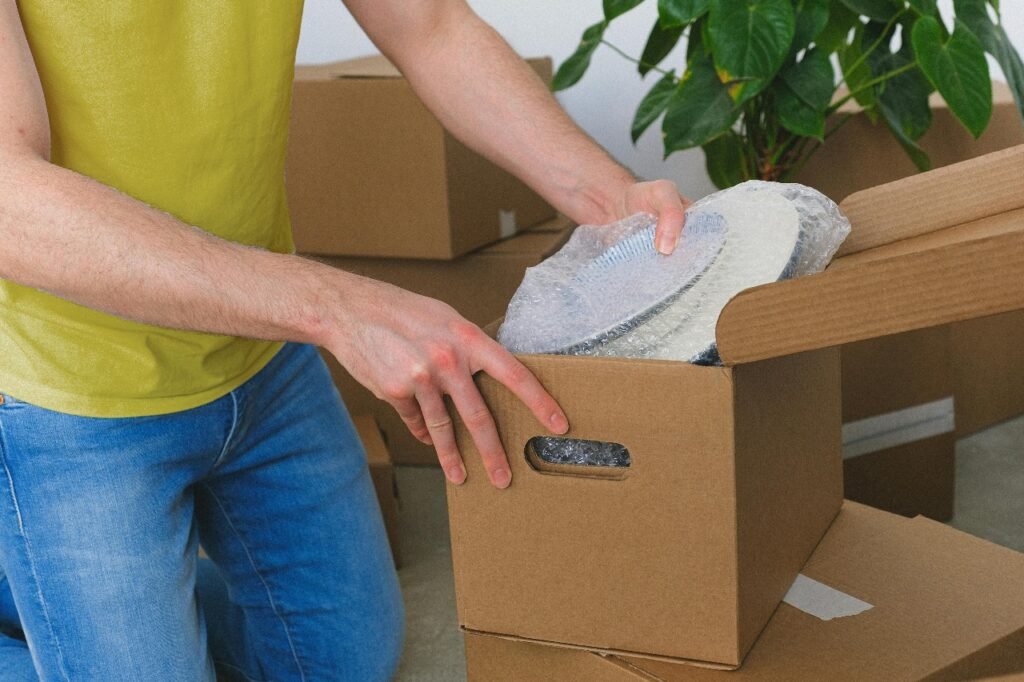
For items that are unevenly shaped or particularly fragile, provide extra reinforcement by cushioning it with foam or crumpled paper on all sides and around every corner.That way, your things do not touch against each other as much and there is less space for your things to fly around. Use packing peanuts, soft cloth or additional paper to fill in any spaces that would allow movement during shifting. If the product can move around within your box, it will also break. Do not overfill boxes as too many shattered items in a box means more broken pieces of your favorite dish.
Securely On all boxes that contain breakables, write this external Action Code Clearly. Clearly write FRAGILE and THIS SIDE UP in large letters, on multiple sides of each box. Doing this lets the people moving know to shifting it, but not as hard as some might. Even if you are the one transporting the things, labels make sure that those boxes usually do not get thrown around all however willy nilly.
You should never put heavy items on top of fragile boxes when loading boxes into your vehicle or even shifting truck. Then, put them on the top, and use softer items covered very well to stabilize wedged between solid items that they do not slide or knock over.
If the necessary packaging materials are included with your favorite, consider using them instead of opting for those items that have faded over time or been knocked around in a garage. If not, wrap securely if necessary adding additional blankets/cushioning; pay special attention to the corners and screens. You can never go wrong by taking photos of fragile, higher-priced items before tucking it away in a box in case you ever have to deal with insurance.
As long as you take your time and pack everything properly, fragile items will be safe from damage and make it to your new home in the condition that they originally were.
Labeling Boxes Like a Pro: Save Time When Unpacking
Properly label the boxes on more than one side of the box is just a small shifting during your move that will be worthwhile. It might be a little less time consuming to just chuck things into boxes and tape them up in a hurry, but marking each box as completely as you can pay off many times over when it comes to unpacking. Having a straightforward, intuitive labeling approach will not only keep you organized during your move but will make it easier for people (e.g., your shifting) to know where every box goes when unloading them into your new home.
Select your labeling strategy consistently The best system combines the boxes contents with the room where it belongs. For example, a box could be labeled “Kitchen Dishes Fragile” This format is very straight forward and makes things easy for either you or your movers to know which room it needs to go in but it also how it should be handled. Label both sides of the box, and at a minimum use an extra bold, permanent marker so that it shows clearly on each side of the box you flatten (eg, always label more than just one side if possible)
Meaning : Colour coding is another good way of professional level labelling. Color code every room in your new home kitchen will be blue, bedroom red, living room green and color code everything you pack with tape or labels or markers. This can speed up the sorting process when unloading and make it very visible for everyone which box goes where even from some distance.
If you are shifting many boxes, numbering and creating an inventory list would help too. . For your inventory sheet, it would say Box 12:The Bathroom Towels and toiletries. It helps to keep track of your items and also ask for a refund if something gets lost when moving.
Be sure to label any containers that have high value or priority items in them (or are fragile). Label with “FRAGILE,” “OPEN FIRST” or “HEAVY” as necessary to help identify boxes that hold items that should be handled with care and which may need to be unpacked first.
So there you have it, even the easiest way to label your boxes can save you from headaches and less time during your shifting. It just takes a little more on the front end to save you time and aggravation on the back end as you settle into your new space.
Tips for shifting in Bad Weather Conditions
shifting is stressful as it is now add obstructive weather, right? The climate more than likely was not working in your favor, which could be inconvenient and potentially hazardous if you are not prepared for it. But with a bit of foresight and strategy, any move can be done safely and effectively in every type of weather.
The weather forecast as your removal moves closer is the first thing you should check frequently. In the event of severe weather, allow yourself some leeway in time. Plan ahead by creating a contingency plan or allowing extra time in case driving is unsafe or lifting heavy objects is difficult.
Cover your items up effectively in case you are shifting in the rain or snow. Put certain items in plastic bins instead of cardboard boxes that could get wet. If you have no options in front of you but cardboard, then wrap the box with cling film or garbage bags to provide extra protection. Use waterproof covers or moving blankets with a layer of plastic over furniture, mattresses, and electronics.
This is even more important in dark, wet or windy conditions. Shovel the snow and scrape ice or mud; put non slip rugs easier on the floor to avoid trips or slips. If its cold, dress in layers and wear weather appropriate, slip resistant footwear. Stay hydrated in hot weather and wear cool, breathable clothing, and make sure to sit down frequently and avoid heat exhaustion.
You will want to protect your floors by laying down old sheets, towels or plastic sheeting inside both your new and your old homes. A wet/dirty boot that is taken inside will not only cause damage but also create a slip hazard. Have someone assigned to look after inside areas to keep ways clean and dry during the move.
Loading and unloading should be done quickly but not in a hurry. Designate someone to hang out near the truck with towels on drying duty if things need a little extra rotation. Be extra careful with large or light items that may catch some wind if it’s blustery.
If the amount of weather is heavy do not hesitate to bring in one some professional help. Professional movers know how to work in adverse conditions and have the professional equipment and moving materials required for a safe move.
No one ever wants to move during inclement weather, but being prepared is half the battle. Organising your move thoroughly and having the right shifting supplies will let you beat the elements, allowing for a safe move with everything in tow.
Preparing an Essentials Box for the First 24 Hours
One of the most strategic parts of shifting is putting together an essentials box; a box with all the things you specifically need within 24 hours at your new home. It is the last thing you feel like doing after a long day of shifting is digging through box after box trying to locate your toothbrush, charger or a fresh set of clothes. An essentials box enables you to move quickly and takes the stress out of that first night.
Think about your routines; daily and what you need to be comfortable. Carry basic toiletries like tooth brushes, tooth paste, soap, shampoo, toilet roll and couple of clean towels. Pack medications, contact lenses or glasses, and any personal care items you may need for your stay. These are often ignored little things, but can play a huge part.
Then add clothes and sleepwear. Include a new set of clothes, nightwear and some essentials like blanket/pillow. Bring pajamas, diapers, wipes and a few favorite toys or books to provide some continuity for small children. For pets, pack some kibble a four legged friend can run off a day of energy in no time a leash and items that will keep them stable like their bed or toy.
Remember to not overlook kitchen essentials and food basics. Disposable plates, utensils and cups, a few snacks and bottled water, perhaps with a small pot or kettle. After a long day, a coffee maker with some instant coffee or tea bags and few non perishable food items. I also take along baby food or formula if necessary.
Mark your essentials box and either load it last into the shifting truck or take yours with you during the process. This method makes it so the first thing you have is what you can take to breakfast with you.
Taking the time to pack a box of essentials will make your first 24 hours in your new home much more orderly, which sets the stage for an seamless shifting.